Dear @y,
This is a very good question, especially in environments that implement a default-deny outbound firewall policy.
To the best of my knowledge, Microsoft does not currently publish a single document that defines the complete minimum outbound connectivity matrix (FQDNs, IP ranges, ports and protocols) for a standalone Exchange Server SE deployment in the exact scenario you described.
Based on your configuration, most Exchange Online, Hybrid, Microsoft Graph and migration-related endpoints would not be required. However, because Exchange Emergency Mitigation Service (EEMS) remains enabled, the Exchange servers still require connectivity to the Microsoft endpoints used by EEMS. In addition, certificate validation mechanisms such as CRL and OCSP may require outbound access depending on the certificate authorities involved.
One challenge is that CRL and OCSP requirements are not Exchange-specific and depend on the actual certificates deployed in the environment, so there is generally no universal endpoint list that applies to all organizations.
If the objective is a formally supported security design, it may be worth opening a Microsoft support case to determine whether Microsoft has more current guidance for Exchange Server SE hardening in a standalone environment, particularly regarding EEMS connectivity requirements and recommended outbound firewall rules.
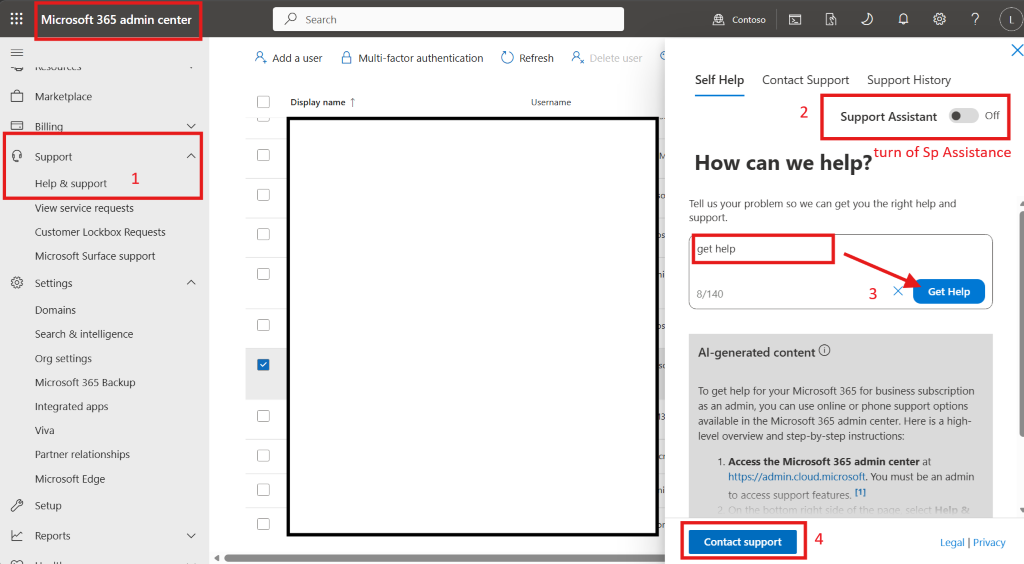
You can raise support ticket from Microsoft 365 Admin Center>Support>Help & Support.
For reference: Get support | Microsoft Docs
I hope this information helps point you in the right direction.
Warm regards,
If the answer is helpful, please select "Yes, accept answer". If you have any questions or new updates, please feel free to comment below.
' cx='32' cy='32' r='32' /%3E%3Ctext x='50%25' y='55%25' dominant-baseline='middle' text-anchor='middle' fill='%23FFF' %3EY%3C/text%3E%3C/svg%3E)
' cx='32' cy='32' r='32' /%3E%3Ctext x='50%25' y='55%25' dominant-baseline='middle' text-anchor='middle' fill='%23FFF' %3EL%3C/text%3E%3C/svg%3E)